How Occupational Therapy Builds Independence
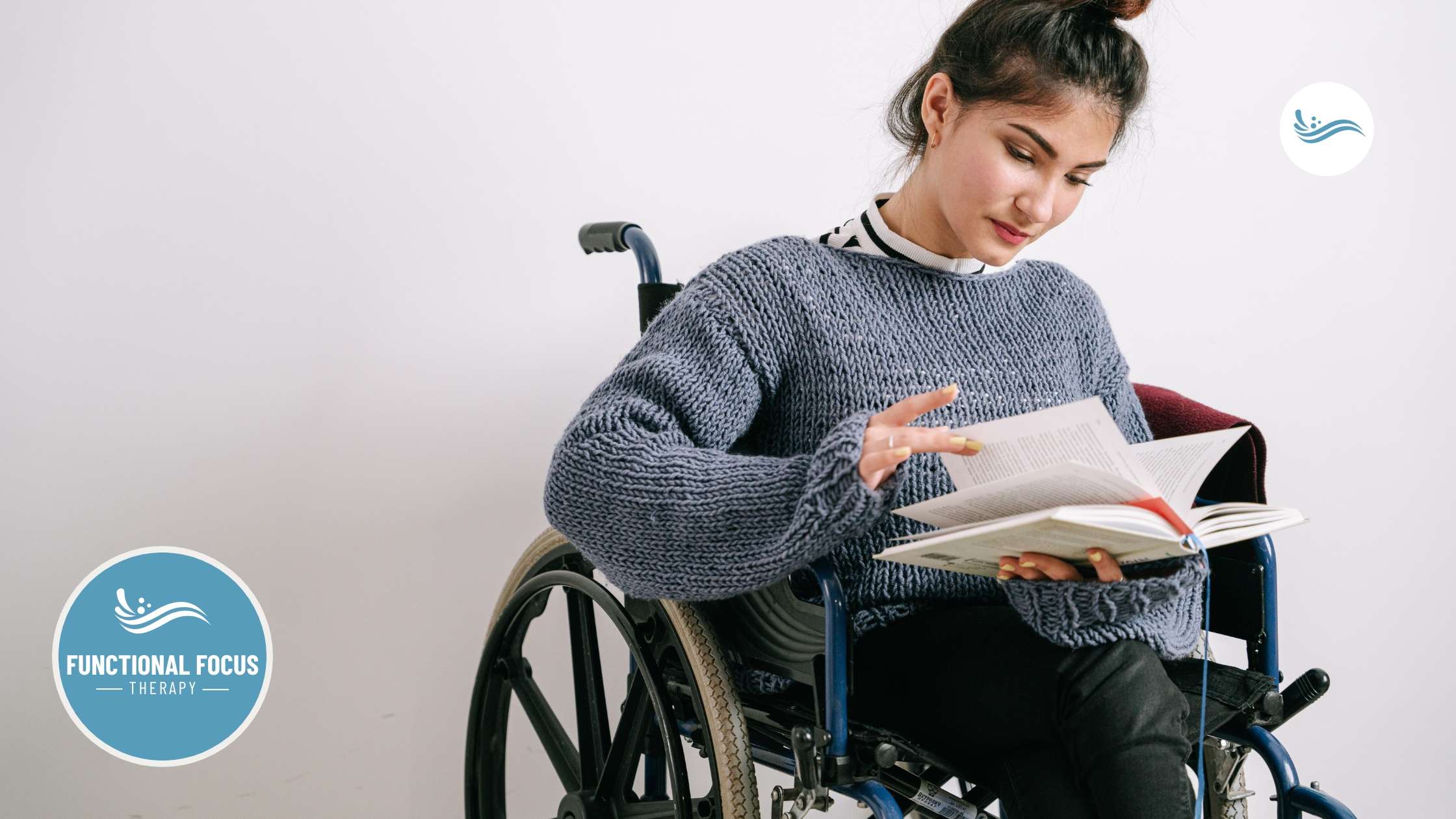
Starting small wins toward bigger independence
Regaining independence is rarely about one big breakthrough. It is usually about small, consistent changes — getting dressed with less pain, preparing a simple meal, managing a workday without feeling overwhelmed. Occupational therapy focuses on these real‑life moments, helping people turn daily challenges into achievable, meaningful wins.
For people living with pain, limited mobility, or difficulties with daily routines, working with an occupational therapist can be the bridge between “I can’t” and “I can, with support.” Whether you are searching for an occupational therapist near me or exploring options for a loved one, understanding how occupational therapy builds independence is a powerful first step.
Functional Focus Therapy in HRM works from this exact perspective: practical, evidence‑based strategies that fit your life, your goals, and your pace.
What independence really means in occupational therapy
Looking beyond “doing everything alone”
In occupational therapy, independence does not always mean doing every task without help. Instead, it means:
- Being able to participate in the activities that matter most to you
- Using tools, strategies, or supports that make those activities possible
- Feeling more in control of your day, even if you still need some assistance
Independence is about meaningful participation — at home, at work, at school, and in the community.
The role of occupational therapy in daily living
Occupational therapists look at how you move, think, feel, and function in your environment. They help you:
- Adapt tasks like dressing, bathing, cooking, or working
- Use equipment or technology to make activities safer and easier
- Develop routines that support energy, focus, and pain management
- Build confidence in everyday decision‑making and problem‑solving
This focus on daily living skills is what makes occupational therapy so effective for building long‑term independence.
Common questions about occupational therapy and independence
1. How does occupational therapy actually help me be more independent?
Occupational therapy starts with what you want to do — your functional goals. Your therapist then breaks those goals into smaller steps, identifies barriers (pain, fatigue, mobility, sensory, cognitive, emotional), and designs strategies to work around or reduce those barriers. Over time, you gain skills, tools, and confidence to manage more on your own.
2. Who can benefit from occupational therapy to build independence?
People of all ages can benefit, including those who:
- Live with chronic pain or arthritis
- Have mobility challenges or use mobility aids
- Are recovering from injury, surgery, or illness
- Experience challenges with focus, planning, or memory
- Feel overwhelmed by daily tasks, work demands, or self‑care
If daily life feels harder than it should, occupational therapy is worth exploring.
3. What is the difference between occupational therapy and physiotherapy?
Physiotherapy often focuses on restoring movement, strength, and physical function. Occupational therapy focuses on how you use that movement and function in real‑life activities — dressing, cooking, working, parenting, hobbies, and more. Many people benefit from both, especially when the goal is to build independence at home and in the community.
4. How long does it take to see progress?
Progress depends on your goals, health status, and how often you can practice strategies between sessions. Some people notice changes within a few sessions, such as less effort with a specific task. Others work with an occupational therapist over a longer period to support complex needs, life transitions, or chronic conditions.
5. Can occupational therapy help with mental health and daily function?
Yes. Occupational therapists are trained to support the connection between mental health and daily life. They can help with routines, pacing, stress management, sensory strategies, and structuring your day so it feels more manageable and less overwhelming.
Evidence snapshot — what the numbers say
Real‑world data on disability, mobility, and support
- In 2022, 10.6% of adults aged 15 and over were living with a mobility‑related disability, representing more than 3.1 million people.
Source: Statistics Canada, “Mobility disabilities, 2022” — https://www150.statcan.gc.ca/n1/pub/11-627-m/11-627-m2024055-eng.htm - Among adults aged 25 to 64 with disabilities, the employment rate was 62%, compared with 78% for those without disabilities, highlighting the importance of supports that improve function and participation in work.
Source: Statistics Canada, “Accessibility in Canada: Results from the 2022 Canadian Survey on Disability” — https://www150.statcan.gc.ca/n1/daily-quotidien/240528/dq240528a-eng.htm - Over half of people with mobility disabilities (52%) reported using adapted features in their homes, such as bathroom aids, walk‑in showers, ramps, or lifts, showing how environmental changes support independence.
Source: Statistics Canada, “Mobility disabilities, 2022” — https://www150.statcan.gc.ca/n1/pub/11-627-m/11-627-m2024055-eng.htm
When symptoms and challenges start limiting daily life
Signs that independence is being affected
You might benefit from occupational therapy if you notice:
- Increased effort or pain with basic tasks like dressing, bathing, or cooking
- Avoiding activities you used to enjoy because they feel too hard or exhausting
- Difficulty managing work, school, or home responsibilities
- Feeling disorganized, overwhelmed, or unable to keep up with routines
- Needing more help from family or friends than you would like
These are not signs of failure — they are signals that your body, mind, or environment needs support.
Common causes behind loss of independence
Loss of independence can be linked to:
- Injury, surgery, or medical conditions
- Chronic pain or fatigue
- Neurological or developmental conditions
- Age‑related changes in strength, balance, or cognition
- Stress, burnout, or mental health challenges
Occupational therapy does not erase these causes, but it helps you live better with them by adapting tasks, environments, and routines.
A step‑by‑step path to greater independence
1. Assessment focused on your real life
Your occupational therapist will:
- Ask about your daily routines, roles, and priorities
- Observe how you complete key tasks
- Identify barriers in your body, environment, and routines
2. Setting clear, functional goals
Together, you will set goals such as:
- “Prepare a simple meal safely three times a week”
- “Shower independently using safe equipment”
- “Return to part‑time work with manageable energy levels”
These goals guide every recommendation.
3. Adapting tasks and environments
Your therapist may suggest:
- Different ways to position your body to reduce pain
- Assistive devices (grab bars, reachers, shower chairs, ergonomic tools)
- Changes to your home or workspace layout
4. Building skills and strategies
You will learn and practice:
- Energy conservation and pacing
- Joint protection techniques
- Cognitive strategies for planning, memory, and organization
- Sensory or calming strategies to manage overwhelm
5. Reviewing, refining, and progressing
As you gain confidence, your occupational therapist will help you:
- Progress tasks to be more complex or independent
- Adjust strategies as your life changes
- Maintain gains with realistic routines
Gentle movement, exercises, and activity ideas
Supporting independence through movement
Occupational therapy often includes simple, functional exercises that fit into daily life. Always check with a health professional before starting new exercises, especially if you have pain or medical conditions. Examples may include:
- Sit‑to‑stand practice: Repeatedly standing up from a chair using safe technique to build leg strength and confidence for transfers.
- Reaching and grasping tasks: Using light household items to practice safe reaching, gripping, and coordination.
- Balance and stability activities: Standing at a counter and shifting weight side to side while holding on for support.
Stretching for comfort and function
Gentle stretching can support comfort and daily function, such as:
- Neck and shoulder stretches to ease tension from desk work or caregiving
- Calf and ankle stretches to support walking and standing tolerance
- Hand and wrist stretches for people who use keyboards, tools, or mobility aids
An occupational therapist can tailor these to your abilities and integrate them into your daily routine so they feel natural, not like “one more thing to do.”
How occupational therapy helps in the short and long term
Short‑term gains you may notice
In the early stages, many people experience:
- Less effort with specific tasks
- Reduced frustration and overwhelm
- Clearer routines and structure to the day
- Increased confidence trying activities again
These early wins are motivating and help you see that change is possible.
Long‑term benefits that build over time
With ongoing occupational therapy and consistent practice, long‑term benefits can include:
- Greater independence with personal care and household tasks
- Improved participation in work, school, or community roles
- Better energy management and reduced flare‑ups of pain or fatigue
- Stronger sense of control and self‑efficacy in daily life
For many people, this is where occupational therapy truly shines — not just treating a problem, but helping you live the life you want with the abilities you have.
Daily habits and routines that support independence
Building routines that actually work for you
Occupational therapists are experts in routines. They can help you:
- Break your day into manageable blocks
- Alternate demanding tasks with rest or lighter activities
- Use reminders, planners, or apps to support memory and organization
- Create morning and evening routines that reduce stress
Best practices you can start thinking about
- Pace, don’t push: Spread tasks throughout the day instead of doing everything at once.
- Prioritize what matters most: Focus energy on activities that are meaningful to you.
- Use tools without guilt: Equipment and adaptations are not “cheating” — they are smart supports.
- Check in regularly: Notice what is working, what is not, and adjust with your therapist.
These habits help you maintain gains and continue building independence long after therapy sessions end.
Why occupational therapy is so important for independence
Connecting function, environment, and meaning
Occupational therapy is uniquely positioned to build independence because it looks at the whole picture:
- Your body and mind
- Your home, work, and community environments
- Your roles, responsibilities, and values
By aligning all three, occupational therapy helps you move from surviving the day to actively participating in it.
A strong option when searching for support in HRM
If you are searching for occupational therapy Halifax or looking for an occupational therapist near me, you are likely hoping for more than just exercises. You want someone who understands your daily reality and can offer practical, evidence‑based strategies that fit your life.
That is exactly what Functional Focus Therapy is designed to provide — collaborative, goal‑driven care that focuses on building independence, one meaningful activity at a time.
Further reading and trusted resources
- Canadian Association of Occupational Therapists — “What is Occupational Therapy?”
https://caot.ca/site/aboutot/whatisot - Nova Scotia Health — “Occupational Therapy” service overview
https://www.nshealth.ca/service-pages/occupational-therapy - Government of Nova Scotia — “Occupational Therapy” information page
https://novascotia.ca/dhw/mental-health/occupational-therapy.asp
Take the next step toward your independence
If daily tasks feel harder than they should, you do not have to wait until things get worse. Occupational therapy can help you build independence in ways that are realistic, respectful, and tailored to your life.
Functional Focus Therapy in HRM works with you to understand your goals, your challenges, and your environment — then designs a clear, practical plan to help you move forward.
If you are ready to make everyday life feel more manageable, reach out to Functional Focus Therapy today to book an appointment or ask questions about how occupational therapy can support your independence.