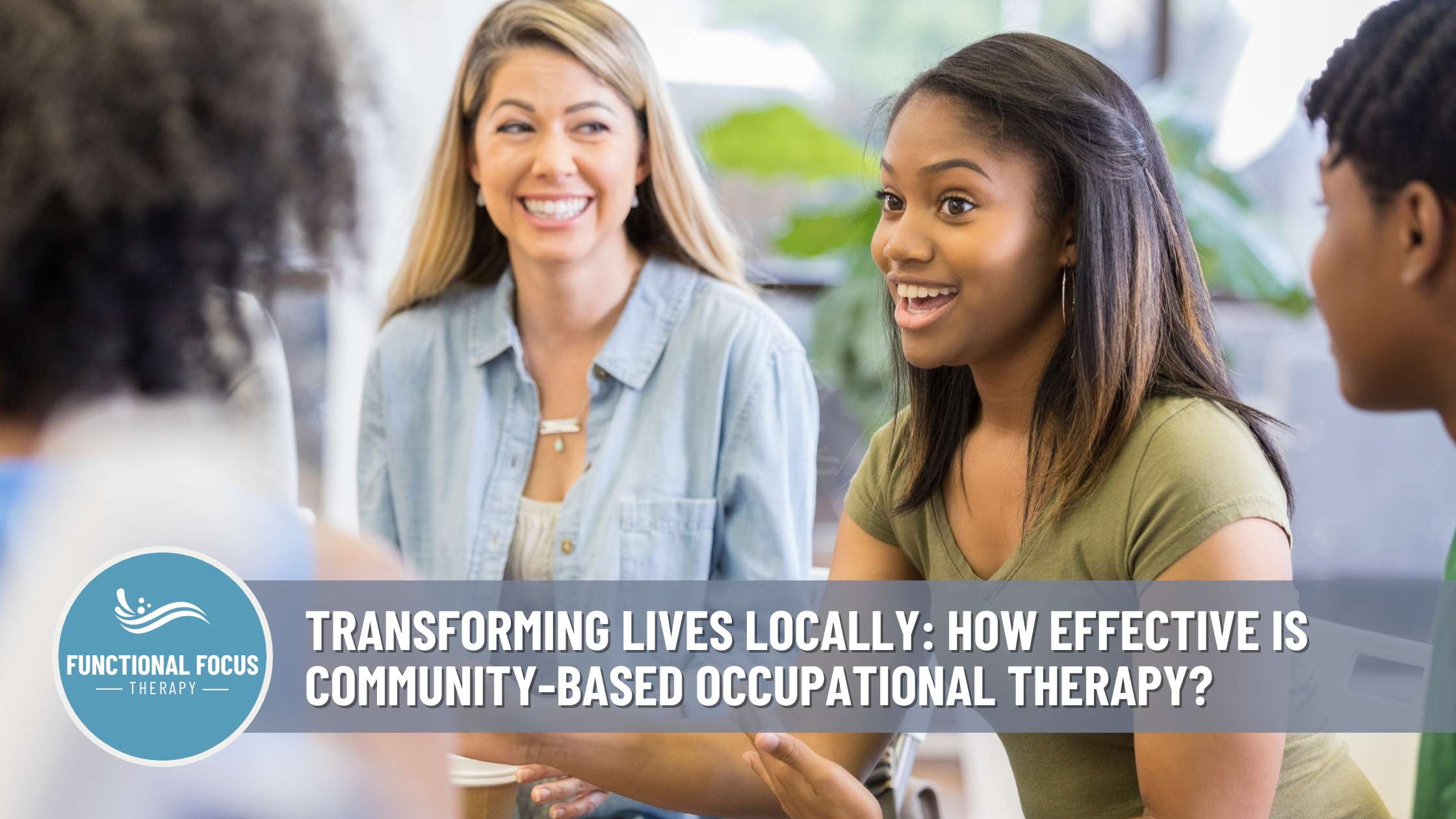
Why Occupational Therapy Belongs Beyond the Clinic

Bringing Therapy Home: A New Lens on Community Care
Occupational Therapy (OT) has long been associated with hospitals, rehabilitation centers, and clinical settings. But what if the most transformative work happens outside those walls? This article invites readers to explore how OT can reshape lives in homes, schools, workplaces, and neighborhoods. For Canadians, this shift is more than theoretical. It’s a call to action for inclusive, accessible, and community-rooted care. The movement toward community-based OT reflects a growing recognition that health and well-being are deeply tied to the environments we live in.
Understanding Community-Based Occupational Therapy
Community-based Occupational Therapy refers to therapeutic practices that extend beyond traditional clinical environments. It encompasses interventions in homes, schools, workplaces, and public spaces, aiming to improve individuals’ ability to engage in meaningful daily activities. This approach recognizes that health is not confined to medical settings – it’s shaped by social, cultural, and environmental factors. OT practitioners in community settings focus on enabling participation, fostering independence, and promoting mental and physical well-being through tailored interventions that meet people where they are.
The Numbers Behind the Movement: A Statistical Snapshot
- According to the Canadian Association of Occupational Therapists, over 5,000 OT professionals work in non-clinical settings across Canada, with numbers steadily rising.
- A 2023 study found that community-based OT programs reduced hospital readmissions by 30% in Nova Scotia.
- Globally, the World Federation of Occupational Therapists reports that 40% of OT services are now delivered in community settings, reflecting a paradigm shift in care delivery.
These statistics underscore the growing impact and necessity of OT beyond the clinic, especially in underserved or rural communities.
Recognizing the Signs: When Community Needs Therapy
Symptoms that indicate a need for community-based OT include:
- Difficulty navigating public spaces due to mobility or sensory challenges
- Social isolation or lack of engagement in meaningful activities
- Barriers to employment or education due to physical or cognitive limitations
- Unsafe home environments for ageing individuals or those with disabilities
These challenges often go unnoticed until they significantly impair quality of life. OT helps identify and address these issues proactively.
Your Guide to Community-Based Occupational Therapy in Action
- Assessment – An OT evaluates the individual’s environment, routines, and goals.
- Goal Setting – Collaborative planning ensures interventions align with personal and community needs.
- Intervention – This may include home modifications, skill-building, ergonomic adjustments, or social engagement strategies.
- Education – Clients and caregivers learn techniques to maintain progress and adapt to changes.
- Follow-Up – Ongoing support ensures sustainability and long-term success.
This process is flexible, person-centred, and designed to empower individuals within their own communities.
Stretching Beyond Boundaries: Exercises and Techniques That Work
Occupational Therapy offers practical exercises that can be done at home or in community settings:
- Chair Yoga – Ideal for seniors or those with limited mobility; improves flexibility and circulation.
- Fine Motor Drills – Activities like threading beads or using therapy putty enhance dexterity.
- Sensory Walks – Outdoor walks that engage multiple senses help regulate emotions and improve focus.
- Balance Training – Simple routines using resistance bands or stability balls reduce fall risk.
Frequency: 3–5 times per week, with guidance from an OT to ensure proper form and progression.
From Today to Tomorrow: The Benefits of Going Beyond the Clinic
Short-term benefits include:
- Increased independence in daily tasks
- Improved mental health and social engagement
- Reduced reliance on institutional care
Long-term benefits include:
- Sustainable lifestyle changes
- Enhanced community inclusion
- Lower healthcare costs due to preventive care
These outcomes demonstrate that OT is not just reactive—it’s transformative.
Building Better Habits: Daily Routines That Support Community Wellness
- Morning Mobility Checks – Gentle stretches and movement assessments
- Mindful Mealtimes – Encouraging social interaction and sensory awareness during meals
- Community Engagement – Joining local groups or volunteering to foster connection
- Environmental Scans – Regularly assessing home and public spaces for safety and accessibility
These routines help individuals maintain independence and contribute meaningfully to their communities.
Why Occupational Therapy Is Essential in Community Settings
OT is uniquely positioned to address the intersection of health, environment, and participation. It empowers individuals to live fully, regardless of age, ability, or circumstance. In community settings, OTs become facilitators of change – modifying spaces, educating populations, and advocating for inclusive policies. Their work enhances not just individual lives, but the fabric of society.
The Power of Occupational Therapy Beyond the Clinic
Occupational Therapy offers a holistic, person-centered approach that thrives outside traditional settings. Whether it’s helping a child succeed in school, enabling a senior to age in place, or supporting mental health in the community, OT is a vital tool for wellness. Functional Focus Therapy encourages everyone to consider how OT can enrich their lives – not just in times of crisis, but as a proactive step toward better living.
Recommended Reading for More Information
Connect with Functional Focus Therapy: Your Partner in Community Wellness
Healing happens where life unfolds. Whether you’re navigating daily challenges or seeking proactive support, our experienced team is ready to help you thrive in your community.