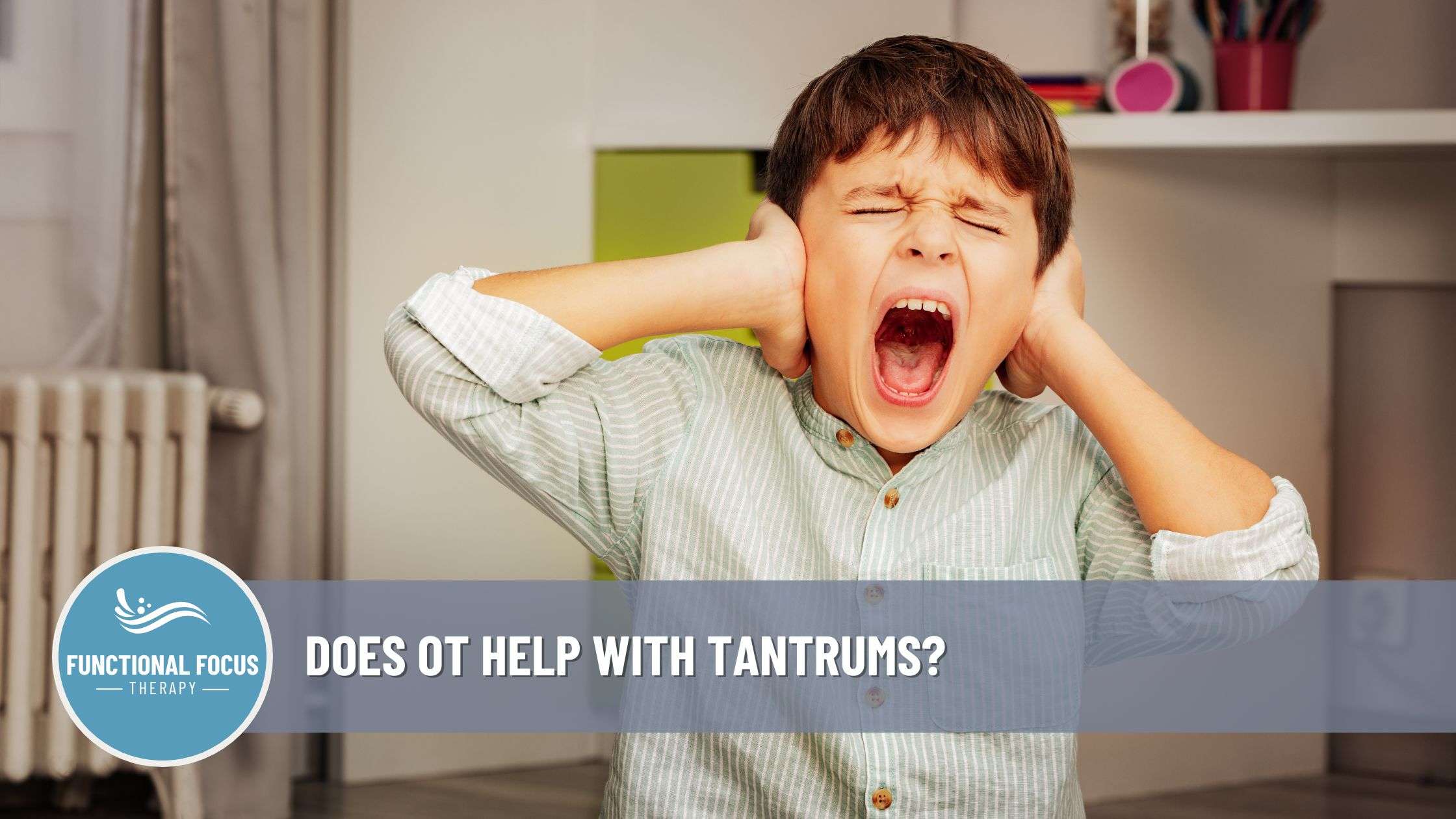
The Power of Occupational Therapy in Autism

Supporting Your Child’s Journey
Helping your child with autism is a deeply personal and transformative journey – one that requires compassion, patience, and the right tools. For families in HRM, NS and across Canada, Occupational Therapy (OT) offers a powerful framework to support children with autism in developing essential life skills, improving sensory processing, and fostering independence. Globally, autism affects millions of families, and OT continues to be a cornerstone of early intervention and long-term support.
Understanding Autism Through the Lens of Occupational Therapy
Autism Spectrum Disorder (ASD) is a neurodevelopmental condition that affects communication, behaviour, and sensory processing. Children with autism may experience challenges in social interaction, emotional regulation, and performing everyday tasks. Occupational Therapy focuses on helping children participate in meaningful activities – whether that’s brushing teeth, playing with peers, or navigating transitions at school. OT practitioners assess each child’s unique strengths and challenges, then create individualized plans to build skills in motor coordination, sensory integration, and self-care.
Autism by the Numbers: A Look at the Statistics
- 🇨🇦 Canadian Statistics: According to the 2019 Canadian Health Survey on Children and Youth, 1 in 50 children aged 1 to 17 has been diagnosed with autism. Boys are diagnosed approximately four times more frequently than girls.
- 🌍 Global Statistics: The World Health Organization estimates that 1 in 100 children worldwide is affected by autism. In the United States, the CDC reports a prevalence of 1 in 36 children.
- 📈 Rising Awareness: Increased diagnosis rates reflect better awareness, improved screening tools, and broader diagnostic criteria—not necessarily a rise in incidence.
These numbers underscore the importance of early intervention and access to therapies like OT to support developmental outcomes.
Recognizing the Signs: Symptoms and Causes of Autism
While every child with autism is unique, common symptoms may include:
- Limited eye contact or difficulty interpreting facial expressions
- Repetitive behaviours (e.g., hand-flapping, lining up toys)
- Sensory sensitivities to sound, light, or textures
- Delayed speech or nonverbal communication
- Difficulty with transitions or changes in routine
The causes of autism are complex and multifactorial, involving genetic and environmental factors. Early recognition of symptoms allows families to seek timely support through Occupational Therapy and other interventions.
A Step-by-Step Guide to Supporting Your Child with Autism
- Observe and Document: Track behaviours, sensory responses, and developmental milestones.
- Consult a Paediatrician: Request a referral for an autism assessment.
- Engage an Occupational Therapist: Begin with a comprehensive evaluation to identify strengths and challenges.
- Set Individual Goals: Focus on daily living skills, sensory regulation, and social participation.
- Create a Home Routine: Reinforce therapy goals with structured activities at home.
- Collaborate with Educators: Share OT strategies with teachers to support learning environments.
- Monitor Progress: Adjust goals and techniques as your child grows and develops.
Movement Matters: Exercises and Stretches to Support Autism
Occupational Therapy uses movement-based interventions to improve sensory processing, motor coordination, and emotional regulation. Recommended activities include:
- 🧘♂️ Animal Walks: Bear crawls and crab walks build gross motor skills and body awareness.
- 🎨 Finger Painting: Enhances tactile tolerance and fine motor control.
- 🧩 Puzzle Play: Supports visual-motor coordination and problem-solving.
- 🧺 Weighted Blankets or Lap Pads: Provide calming deep pressure input.
- 🧘♀️ Simple Yoga Poses: Promote relaxation and balance.
Tips for Success:
- Use visual cues and timers to support transitions.
- Practice daily for short periods (10–15 minutes).
- Celebrate small wins to build confidence.
From Now to Next: Short and Long-Term Benefits of Occupational Therapy
Short-Term Benefits:
- Improved sensory regulation and reduced meltdowns
- Increased participation in daily routines
- Enhanced communication and social engagement
Long-Term Benefits:
- Greater independence in self-care and academic tasks
- Stronger emotional resilience and coping strategies
- Improved quality of life for both child and family
Occupational Therapy lays the foundation for lifelong growth, helping children with autism thrive in their own unique way.
Building Better Days: Best Practices and Daily Routines
Consistency and structure are key to supporting children with autism. Recommended routines include:
- 🕒 Visual Schedules: Help children anticipate daily activities
- 🧼 Self-Care Practice: Brushing teeth, dressing, and toileting with step-by-step guidance
- 🧘♂️ Sensory Breaks: Scheduled quiet time with calming tools
- 📚 Social Stories: Prepare children for new experiences or transitions
- 🎮 Turn-Taking Games: Build patience and communication
These routines reinforce OT goals and create a predictable environment that supports emotional regulation and learning.
Why Occupational Therapy Is Essential for Autism Support
Occupational Therapy is not just a treatment—it’s a partnership. OT practitioners work closely with families to:
- Identify and address sensory, motor, and behavioural challenges
- Develop personalized strategies for daily living
- Foster independence, confidence, and social participation
By focusing on the whole child, OT empowers children with autism to engage meaningfully with their world.
Reaffirming the Value: Occupational Therapy as a Lifeline
Occupational Therapy offers a holistic, evidence-based approach to supporting children with autism. From sensory integration to social skills, OT helps children build the foundation for a fulfilling life. Whether your child is newly diagnosed or navigating new developmental stages, OT can be a transformative part of your care plan.
Recommended Reading for More Information
- Autism in Canada: Stats, Impact and Resources – Healthing.ca
- Occupational Therapy Activities for Children with Autism – Drektat NDC
- Pediatric Occupational Therapy for Early Intervention in Autism – Skill Point Therapy
Let’s Take the Next Step Together
We understand the journey of helping your child with autism – and we’re here to walk it with you. Our experienced Occupational Therapists offer compassionate, individualized care that empowers children and families alike. Whether you’re seeking early intervention or ongoing support, we invite you to connect with us by Booking your FREE Virtual Consultation and discover how Occupational Therapy can make a meaningful difference in your child’s life.