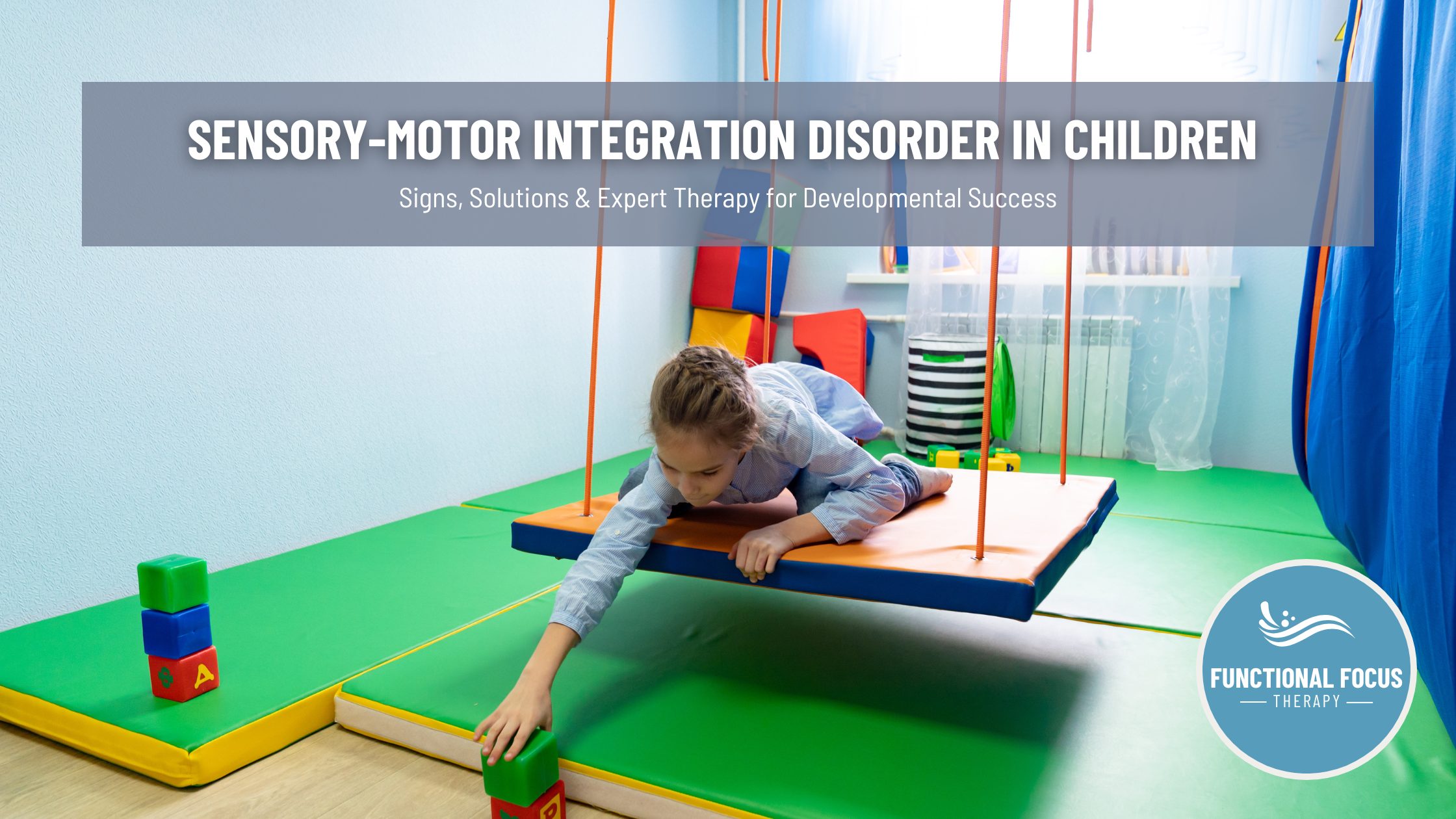
Helping Children Thrive: Reflex Integration Strategies in OT

🌱 Nurturing Development Through Reflex Integration: Why It Matters
In the world of paediatric Occupational Therapy, few topics are as transformative as reflex integration. This article explores how addressing retained primitive reflexes can unlock a child’s full potential – physically, emotionally, and cognitively. For families in Canada and globally, understanding this approach offers a gateway to improved learning, behaviour, and quality of life.
Primitive reflexes are foundational movement patterns present at birth. When these reflexes fail to integrate naturally, they can hinder a child’s ability to focus, regulate emotions, and perform everyday tasks. Occupational Therapists (OTs) use targeted strategies to help children overcome these challenges, making reflex integration a vital tool in developmental care.
🧠 What Is Reflex Integration and How Does It Relate to OT?
Reflex integration refers to the process of helping the nervous system mature by inhibiting primitive reflexes that should fade in early childhood. These reflexes – like the Moro (startle), ATNR (asymmetrical tonic neck), and Palmar reflex are essential for survival in infancy but can become disruptive if retained.
In Occupational Therapy, reflex integration is approached through:
- Sensory integration techniques to regulate responses to stimuli
- Motor coordination exercises to support voluntary movement
- Play-based interventions that promote developmental milestones
OTs assess reflexes holistically, considering how they affect a child’s ability to engage in meaningful activities—from handwriting to social interaction.
📊 Reflex Retention: A Look at the Numbers
While Canadian-specific data is emerging, global studies highlight the widespread impact of retained reflexes:
- Up to 30% of children with learning or behavioural challenges show signs of retained primitive reflexes.
- Reflex integration therapy has been shown to improve psychomotor development and reduce academic and social difficulties.
- In Canada, clinics like Northern Occupational & Educational Therapy report increasing referrals for reflex integration assessments.
These statistics underscore the importance of early identification and intervention.
🔍 Spotting the Signs: Symptoms and Causes of Retained Reflexes
Children with retained reflexes may exhibit:
- Poor posture and balance
- Difficulty with fine motor tasks like handwriting
- Emotional dysregulation and sensory sensitivities
- Trouble crossing the midline or coordinating both sides of the body
- Toe walking or clumsy gait
These symptoms can affect academic performance, social engagement, and self-esteem. Causes may include birth trauma, neurological delays, or lack of movement opportunities in early development.
🛠️ Step-by-Step Guide to Reflex Integration in OT
Occupational Therapists follow a structured approach:
- Assessment: Identify retained reflexes through movement tests and developmental history
- Goal Setting: Establish functional goals (e.g., improved attention, better handwriting)
- Intervention Planning: Design play-based, sensory-rich activities
- Implementation: Use exercises like crawling, rolling, and rhythmic movement
- Monitoring Progress: Track changes in motor skills, emotional regulation, and academic performance
This process is individualized and evolves with the child’s needs.
🧘♀️ Movement That Matters: Exercises and Stretches in OT
Effective reflex integration exercises include:
- Starfish Exercise: Targets the Moro reflex by crossing limbs in a seated “X” position
- Bead Stringing and Lego Play: Helps integrate the Palmar reflex by promoting finger isolation
- Crawling and Tunnel Play: Encourages bilateral coordination and midline crossing
- Vestibular Activities: Swinging or spinning to support sensory processing
Tips for success:
- Frequency: Daily practice for 5–10 minutes
- Form: Ensure movements are slow, controlled, and enjoyable
- Environment: Use playful, low-pressure settings to reduce resistance
⏳ Short and Long-Term Benefits of Reflex Integration
Short-Term Gains:
- Improved attention and focus
- Better emotional regulation
- Enhanced motor coordination
Long-Term Outcomes:
- Increased independence in daily tasks
- Stronger academic performance
- Greater self-confidence and resilience
- Reduced need for behavioural interventions
These benefits extend beyond childhood, supporting lifelong functional success.
🗓️ Building Better Habits: Best Practices and Daily Routines
To support reflex integration:
- Incorporate movement breaks during school or homework
- Use visual schedules with sensory-friendly activities
- Encourage outdoor play and gross motor games
- Practice calming techniques like deep breathing or yoga
- Maintain consistent sleep and nutrition routines
Embedding these practices into daily life reinforces therapy outcomes and promotes holistic development.
🩺 The Essential Role of Occupational Therapy in Reflex Integration
Occupational Therapy is uniquely positioned to address reflex retention through:
- Holistic assessments that consider sensory, motor, and emotional factors
- Functional goal setting tied to real-life outcomes
- Evidence-based interventions that promote neurodevelopment
OTs empower children to thrive—not just in therapy sessions, but in classrooms, playgrounds, and homes.
💡 Why Occupational Therapy Is a Game-Changer for Reflex Integration
Occupational Therapy offers:
- A child-centred, play-based approach
- Tools to improve coordination, attention, and emotional regulation
- Support for families navigating developmental challenges
If your child struggles with movement, focus, or behaviour, OT may be the key to unlocking their potential.
📚 Recommended Reading for More Information
Here are three trusted resources:
- Retained Primitive Reflexes & Child Development – The OT Toolbox
- Reflex Integration: Best Practices for Providing Occupation-Based Interventions – MedBridge
- Reflex Integration in Children – Your Therapy Source PDF Guide
📞 Ready to Help Your Child Thrive? Let’s Get Started
Discover how Occupational Therapy can transform your child’s journey. Let’s build a future where movement, learning, and joy go hand in hand.