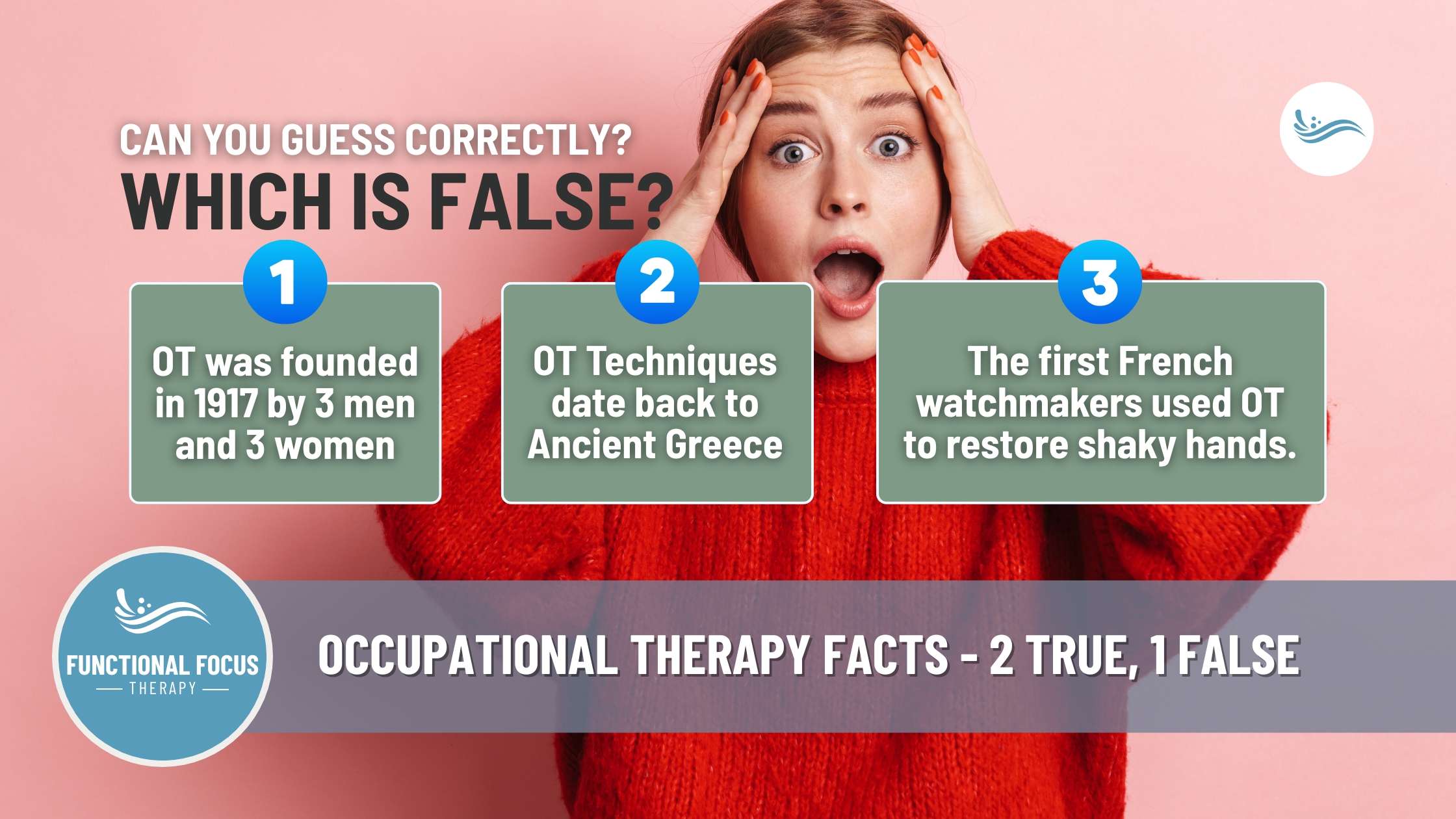
The Essential Role of Occupational Therapy

Occupational therapy (OT) is a vital healthcare profession that helps individuals regain independence and improve their ability to perform daily activities. Whether recovering from an injury, managing a disability, or adapting to age-related changes, occupational therapists provide personalized interventions to enhance quality of life. In Canada and worldwide, OT plays a crucial role in rehabilitation, mental health, and overall well-being.
Understanding Occupational Therapy
Occupational therapy focuses on helping individuals engage in meaningful activities despite physical, cognitive, or emotional challenges. OTs assess a person’s needs and develop customized treatment plans to improve mobility, coordination, and cognitive function. They work in hospitals, schools, rehabilitation centers, and private practices, supporting people of all ages.
Statistics on OT
Occupational therapy is a growing profession with increasing demand:
- Canada has over 20,000 registered occupational therapists.
- Globally, the OT workforce is projected to grow by 16% by 2030.
- Pediatric OT accounts for 25% of all OT services in North America.
Identifying Symptoms and Causes for OT Intervention
People seek occupational therapy for various reasons, including:
- Physical injuries (stroke, fractures, arthritis).
- Neurological conditions (Parkinson’s, multiple sclerosis).
- Mental health challenges (anxiety, PTSD, depression).
- Developmental disorders (autism, ADHD, cerebral palsy).
OTs help individuals overcome barriers that affect their ability to perform daily tasks.
Step-by-Step Guide to OT
Occupational therapy follows a structured approach:
- Assessment – Evaluating the individual’s needs and challenges.
- Goal Setting – Establishing realistic and achievable objectives.
- Intervention – Implementing exercises, adaptive techniques, and environmental modifications.
- Monitoring Progress – Adjusting strategies based on improvement.
- Long-Term Support – Ensuring continued success in daily activities.
Benefits of Exercises and Stretches in OT
OTs recommend targeted exercises to improve mobility and function:
- Stretching routines to enhance flexibility.
- Strength-building exercises for improved endurance.
- Fine motor skill activities for better coordination.
These exercises help individuals regain independence and reduce discomfort.
Short and Long-Term Benefits of OT
Occupational therapy provides immediate relief and long-term improvements:
- Short-term benefits: Pain reduction, improved mobility, enhanced confidence.
- Long-term benefits: Greater independence, better mental health, sustained physical function.
Best Practices and Routines for OT
To maximize OT benefits, individuals should:
- Follow prescribed exercises consistently.
- Maintain a structured daily routine.
- Use adaptive tools for easier mobility.
- Engage in meaningful activities to boost mental well-being.
The Importance of Occupational Therapy in Healthcare
Occupational therapy is essential for rehabilitation and daily function. It helps individuals adapt to challenges, enhance their abilities, and live fulfilling lives.
Recommended Reading for More Information
For further insights, explore:
- Canadian Association of Occupational Therapists
- Occupational Therapy Workforce Statistics
- Global Occupational Therapy Trends
Embracing Occupational Therapy for a Better Life
Occupational therapy empowers individuals to overcome obstacles and achieve independence. If you or someone you know could benefit from OT, consider reaching out to Functional Focus Therapy for expert guidance.