Fun with Occupational Therapy – Sensory-Motor Challenges

Unlocking Potential Through Play: Why Sensory-Motor Challenges Matter
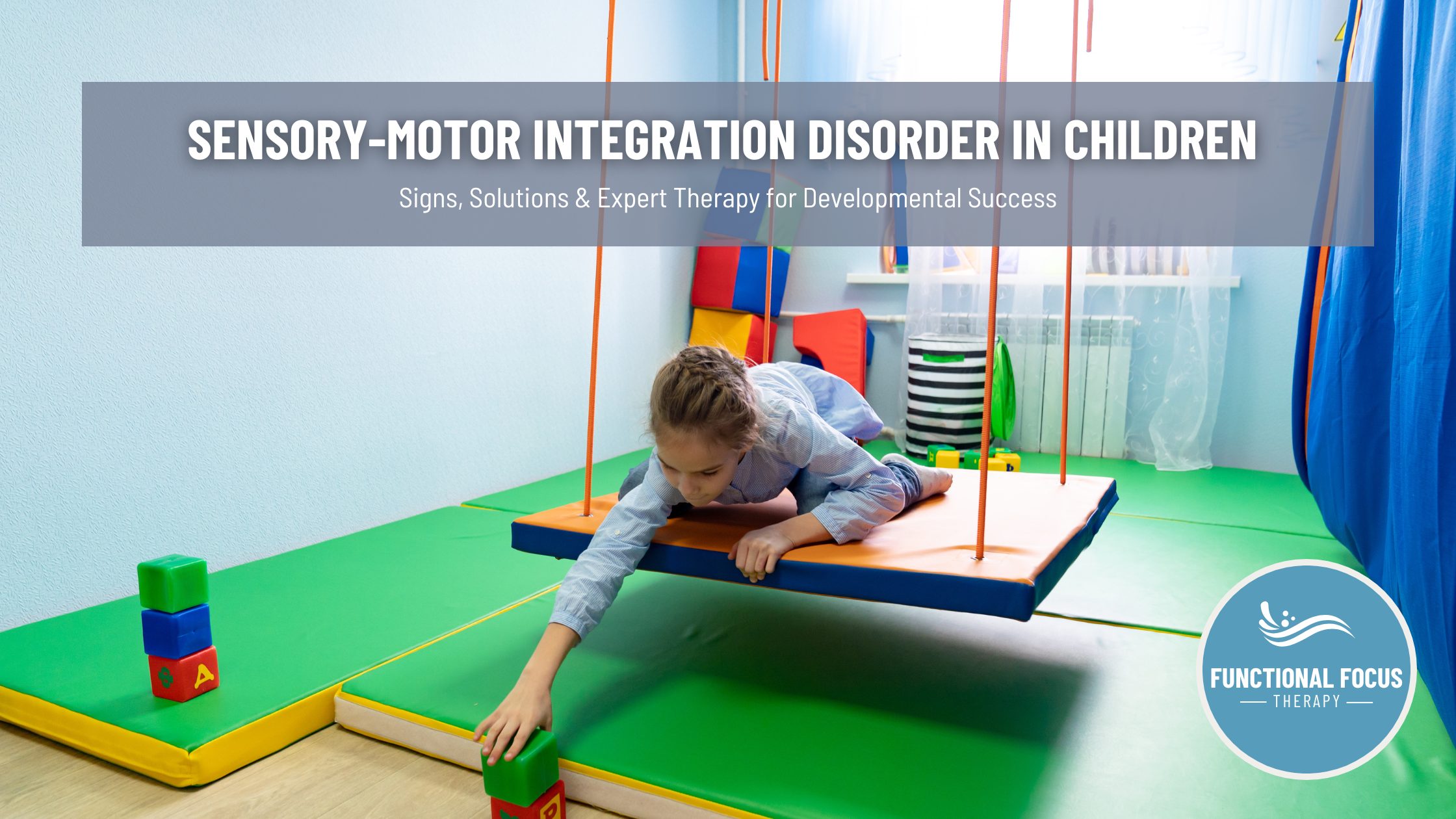
When children face sensory motor issues, everyday tasks like buttoning a shirt, sitting still in class, or navigating a playground can feel overwhelming. But what if therapy could feel like play? That’s the magic of occupational therapy. Through engaging, purposeful activities, children can overcome OT challenges while having fun.
In Canada and across the globe, families are discovering how occupational therapy transforms lives by addressing sensory-motor challenges in a joyful, empowering way. This blog explores how play-based interventions help children thrive – physically, emotionally, and socially.
What Are Sensory-Motor Challenges in Occupational Therapy?
Sensory-motor challenges refer to difficulties in processing sensory input and coordinating motor responses. These challenges can affect a child’s ability to move, balance, focus, and interact with their environment.
In occupational therapy, sensory-motor development is foundational. Therapists assess how a child receives and responds to sensory information (like touch, sound, or movement) and how this affects motor planning, coordination, and daily functioning. OT interventions are designed to improve these skills through structured, play-based activities that are both fun and therapeutic.
By the Numbers: Sensory-Motor Challenges in Canada and Beyond
- 1 in 6 children in Canada experiences sensory processing challenges that impact daily activities.
- Over 80% of pediatric occupational therapists use play-based therapy to support motor and cognitive development.
- Globally, studies show that motor and sensory difficulties are strongly linked to challenges in daily living skills, especially among children with neurodevelopmental conditions.
These statistics highlight the importance of early intervention and the growing role of occupational therapy in addressing sensory motor issues.
Recognizing the Signs: Symptoms and Causes of Sensory-Motor Challenges
Children with sensory-motor challenges may exhibit:
- Poor balance or coordination
- Difficulty with fine motor tasks (e.g., writing, buttoning)
- Sensory sensitivities (e.g., avoiding textures or loud sounds)
- Delayed motor milestones
- Trouble sitting still or focusing
These symptoms can stem from a variety of causes, including developmental delays, ADHD, or sensory processing disorder. Left unaddressed, they can impact a child’s confidence, academic performance, and social participation.
Step-by-Step Guide: Addressing Sensory-Motor Challenges with OT
- Schedule an OT Assessment
A licensed occupational therapist will evaluate your child’s sensory and motor skills. - Set Personalized Goals
Goals may include improving balance, handwriting, or self-regulation. - Create a Sensory Diet
This is a customized plan of sensory activities to support regulation throughout the day. - Engage in Play-Based Therapy
Activities like obstacle courses, animal walks, and sensory bins are used to build skills. - Monitor and Adjust
Progress is tracked regularly, and strategies are adapted as needed. - Empower Caregivers
Parents and teachers are given tools to support consistency at home and school.
Stretch, Move, Play: OT Exercises for Sensory-Motor Development
Here are some fun and effective OT exercises:
- Animal Walks (crab, bear, frog): Build strength and coordination
- Sensory Bins: Encourage tactile exploration and fine motor skills
- Yoga Poses: Improve balance and body awareness
- Wall Push-Ups: Provide calming proprioceptive input
- Balance Games: Walk on a taped line or hop between cushions
Tip: Aim for 10–15 minutes of sensory-motor play 2–3 times per day. Always follow your OT’s guidance for safety and effectiveness.
The Payoff: Short and Long-Term Benefits of OT for Sensory-Motor Challenges
Short-Term Benefits:
- Improved focus and attention
- Better coordination and motor planning
- Reduced sensory meltdowns
Long-Term Benefits:
- Greater independence in daily tasks
- Enhanced academic and social skills
- Increased confidence and emotional regulation
Building Better Days: Best Practices and Daily Routines
To support progress at home:
- Use visual schedules to prepare for transitions
- Incorporate sensory breaks throughout the day
- Create a calm-down corner with preferred tools
- Encourage outdoor play for natural sensory input
- Celebrate small wins to build motivation
Consistency and structure are key to helping children generalize skills from therapy into everyday life.
Why Occupational Therapy Is Essential for Sensory-Motor Development
Occupational therapy addresses the root causes of sensory motor issues, not just the symptoms. By combining sensory integration techniques with motor skill development, OT helps children build the foundation for lifelong success.
Recap: The Joyful Power of OT Challenges
- Sensory-motor challenges can impact many areas of a child’s life
- Occupational therapy offers fun, effective strategies to build skills
- Play-based interventions make therapy engaging and empowering
- The benefits of OT extend far beyond the clinic—they support holistic development
If your child is facing OT challenges, know that help is available – and it can be fun, too.
Recommended Reading for More Information
- Sensorimotor Activities in Occupational Therapy – NeuroLaunch
- Play, Learn, Thrive – Functional Focus Therapy
Ready to Make Therapy Fun?
At Functional Focus Therapy, we believe that therapy should be as joyful as it is effective. If your child is navigating sensory motor issues, our team is here to help with personalized, play-based interventions that turn OT challenges into opportunities for growth.
Contact us today at www.functionalfocus.ca/contact to schedule an assessment and discover how occupational therapy can unlock your child’s potential.