Sensory Issues in Children: OT for Developmental Success
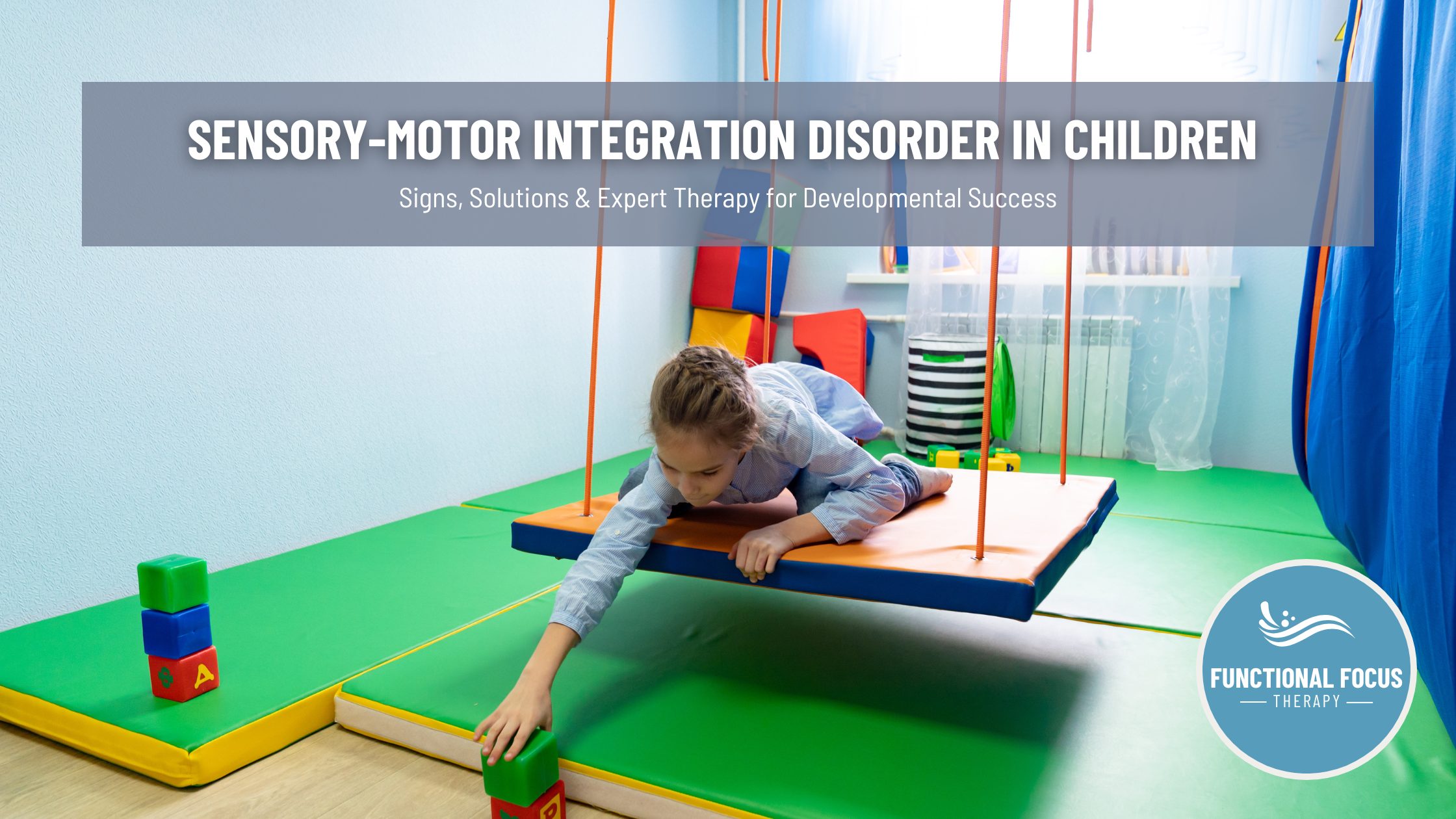
Every child deserves the opportunity to thrive, explore, and engage with the world around them. However, for some children, sensory and motor challenges can create barriers to learning, social interaction, and daily activities. Occupational Therapy (OT) and Sensory-Motor Integration Therapy offer transformative solutions, helping children develop essential skills to navigate their environments with confidence.
What is Sensory-Motor Integration Therapy?
Sensory-Motor Integration Therapy focuses on how the brain processes and responds to sensory stimuli—such as touch, movement, sound, and visual input. Children with sensory integration difficulties may struggle with coordination, balance, or regulating their responses to sensory experiences. This therapy helps improve their ability to process sensory information effectively, leading to better motor skills, emotional regulation, and overall development.
The Benefits of Occupational Therapy & Sensory-Motor Integration Therapy
Occupational Therapy and Sensory-Motor Integration Therapy provide numerous benefits, including:
- Improved Coordination & Motor Skills – Helps children develop fine and gross motor skills essential for daily activities.
- Enhanced Emotional Regulation – Supports children in managing sensory overload and emotional responses.
- Better Social Interaction – Encourages engagement with peers and participation in group activities.
- Increased Independence – Empowers children to perform everyday tasks with confidence.
Statistics on Sensory-Motor Integration Therapy in Canada
Sensory processing challenges affect a significant number of children across Canada. Studies indicate that 1 in 6 children experience sensory processing difficulties that impact their daily lives. Occupational Therapy networks across Canada have been working to provide evidence-based interventions to support children with sensory and motor planning challenges.
How to Identify Sensory-Motor Integration Issues in Children
Parents and caregivers should look for signs such as:
- Difficulty with balance and coordination
- Overreaction or underreaction to sensory stimuli (e.g., loud noises, textures)
- Challenges with fine motor skills (e.g., holding a pencil, buttoning clothes)
- Avoidance of certain activities due to sensory discomfort
- Difficulty following instructions or engaging in structured play
Guidelines for Proactively Managing Sensory-Motor Integration Issues
To support children with sensory-motor challenges, consider the following strategies:
- Create a Sensory-Friendly Environment – Adjust lighting, noise levels, and textures to reduce sensory overload.
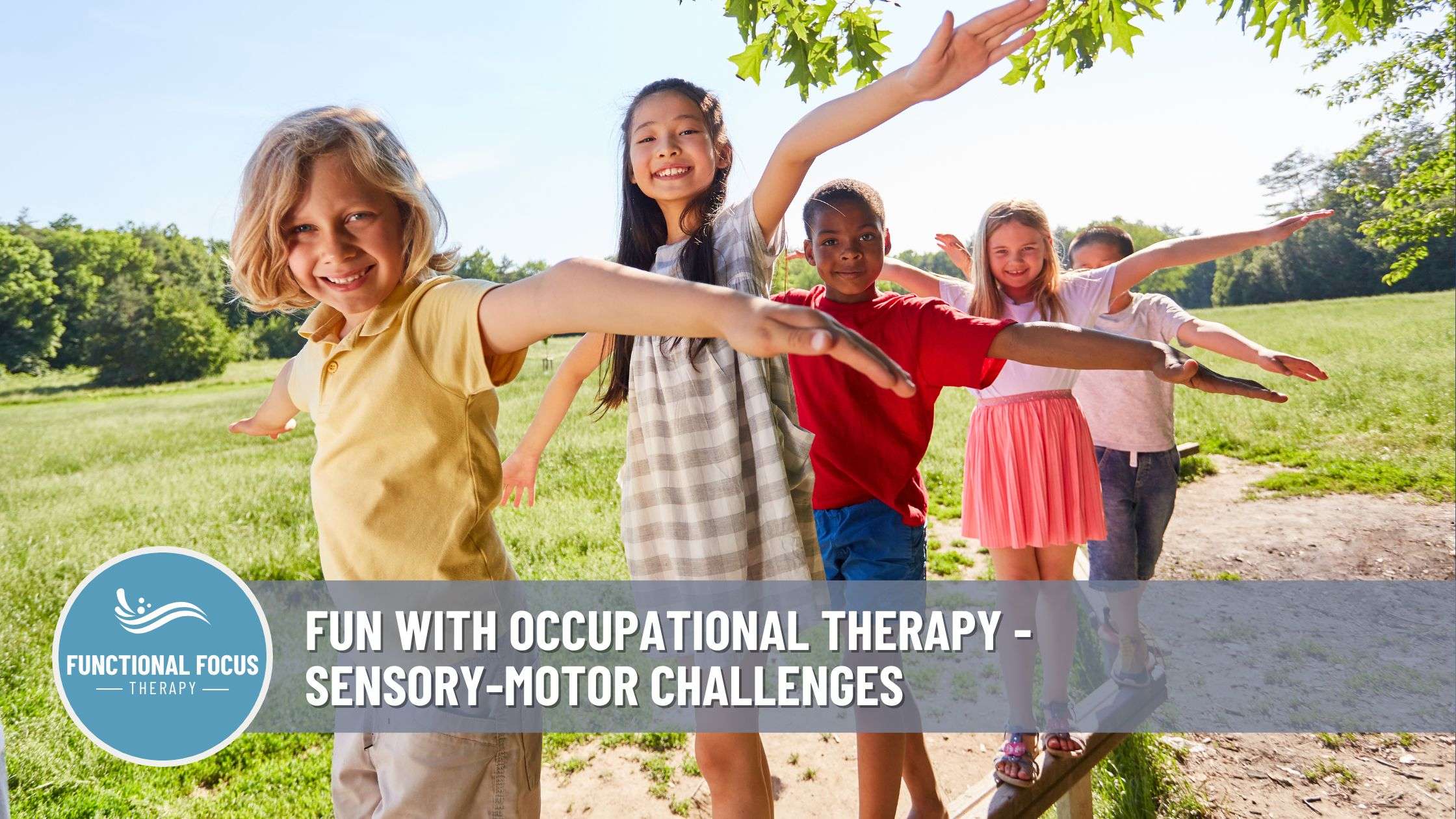
- Encourage Physical Activity – Activities like swimming, climbing, and yoga can improve motor skills and coordination.
- Use Sensory Tools – Weighted blankets, fidget toys, and textured surfaces can help regulate sensory input.
- Work with Occupational Therapists – Professional guidance ensures tailored interventions for each child’s unique needs.
Supporting Children’s Development: A Holistic Approach
Raising a child with sensory-motor challenges can feel overwhelming, but with the right support system, children can develop essential life skills and build confidence. Parents, educators, and therapists play a crucial role in identifying needs early, implementing effective strategies, and ensuring children receive appropriate interventions.
The Role of Schools and Educators
Teachers and school staff are often the first to notice sensory-motor integration difficulties in children. Schools can support these children by:
- Providing individualized learning plans tailored to their sensory and motor needs.
- Offering sensory-friendly spaces such as quiet corners or designated movement areas.
- Incorporating physical activities into the school day, promoting coordination and sensory regulation.
- Partnering with Occupational Therapists to create specialized programs that enhance learning and social interaction.
Parental Support and Home Strategies
At home, caregivers can create an environment that nurtures sensory integration. Strategies include:
- Routine and Structure – Predictability helps children feel more secure and manage sensory inputs.
- Sensory Diet – Implementing activities tailored to a child’s sensory needs, such as weighted blankets, deep pressure exercises, and tactile play.
- Encouraging Exploration – Providing opportunities for children to interact with different textures, sounds, and movements in a controlled setting.
- Collaborating with Professionals – Working with therapists to ensure personalized interventions align with the child’s needs.
Community Resources and Therapeutic Support
Seeking professional guidance ensures children receive targeted interventions to improve their sensory integration skills. In Canada, numerous clinics and therapy centers specialize in Occupational Therapy and Sensory-Motor Integration Therapy. Local support groups, parent networks, and online resources can also provide valuable insights and strategies for managing challenges effectively.
Functional Focus Therapy is a leading provider of Occupational Therapy services designed to help children overcome sensory-motor obstacles and achieve success in daily life. Parents can reach out to their expert team to discuss personalized therapy options and strategies tailored to their child’s unique needs.
Empowering Children for a Brighter Future
Sensory-motor integration therapy and occupational therapy are powerful tools in helping children overcome obstacles and thrive in their everyday lives. By recognizing the signs early, implementing proactive strategies, and seeking professional guidance, families can ensure their children develop the skills they need to succeed.
Investing in children’s well-being today will empower them to lead confident, fulfilling lives tomorrow!
Steps to Contact Functional Focus Therapy
For families seeking expert support, Functional Focus Therapy provides specialized Occupational Therapy services. You can reach them at:
📞 Phone: (902) 800-0385
📧 Email: info@functionalfocus.ca
Sensory-Motor Integration Therapy and Occupational Therapy are life-changing for children facing sensory challenges. By identifying early signs, implementing proactive strategies, and seeking professional support, parents can empower their children to thrive in their daily lives.
Here are some trusted resources for further reading on Sensory-Motor Integration Therapy and Occupational Therapy for Children in Canada:
Sensory-Motor Integration Therapy
- Sensory Processing Disorder – CHEO – A comprehensive guide on sensory processing challenges and strategies for support.
- Sensory Motor Integration | On The Ball Pediatric – Information on sensory-motor integration therapy and its benefits for children.
- CRC Integrative Therapies – A multidisciplinary therapy clinic offering sensory integration services.
Occupational Therapy for Children
- Developing Hands Pediatric Therapy – A leading provider of Occupational Therapy, Speech Therapy, and Physiotherapy for children.
- Real Life Pediatric Occupational Therapy – Evidence-informed occupational therapy services for children and youth.
- Children’s Rehabilitation Services – Ontario.ca – Government resources on rehabilitation services for children in Ontario.
- Occupational Therapy – SickKids – Occupational therapy services at SickKids Hospital, supporting children with medical conditions.
These resources provide valuable insights into therapy options, professional guidance, and strategies to support children with sensory-motor challenges.